
Creation of the Pre-Dossier and Dossier for the nomination of the Cluniac sites (European Cultural Itinerary) to the World Heritage List.
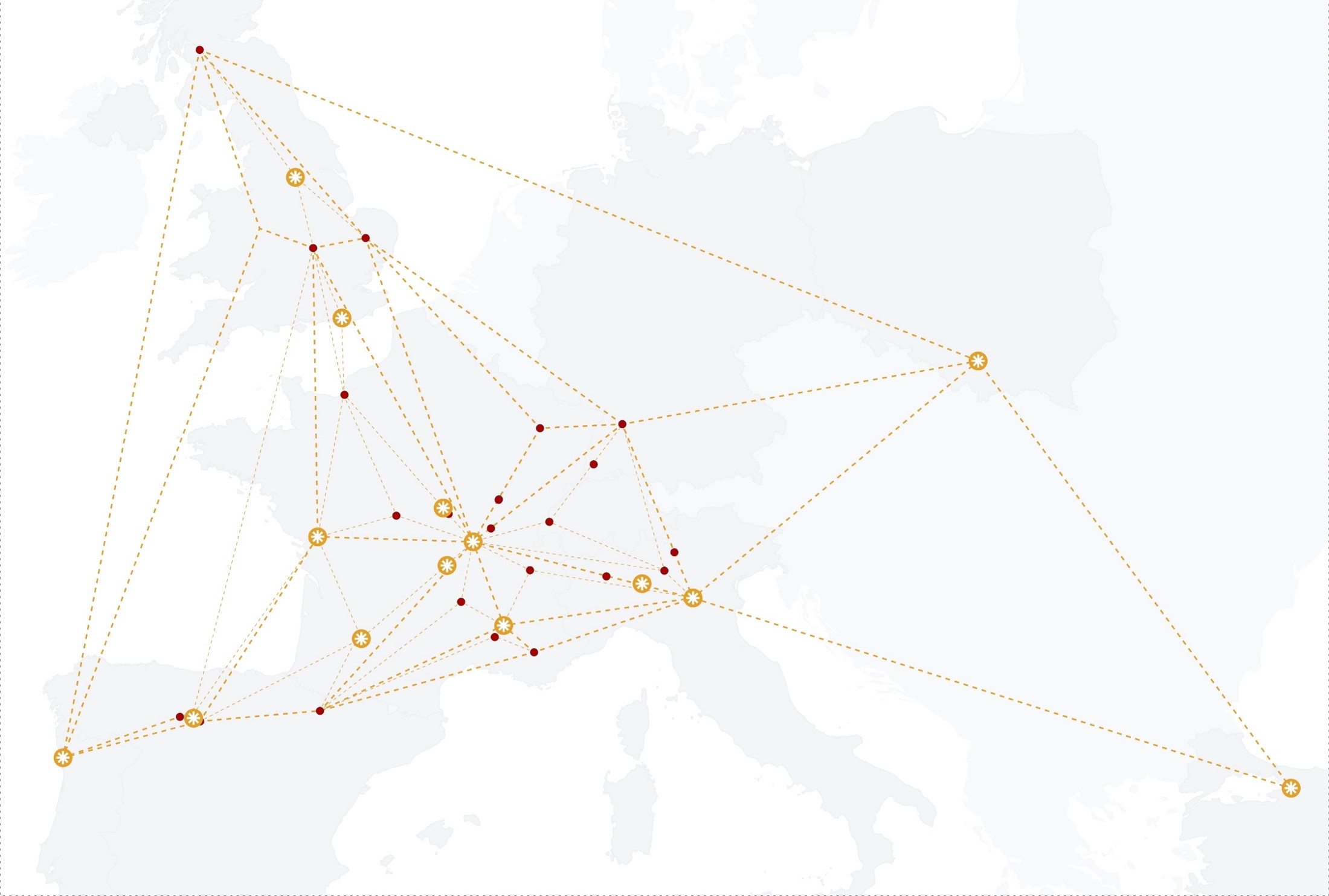

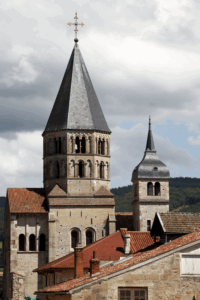
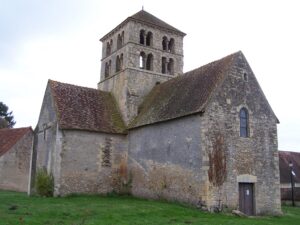
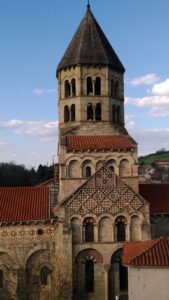
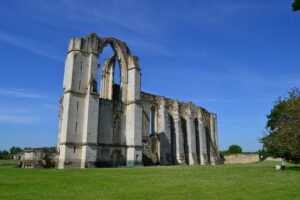
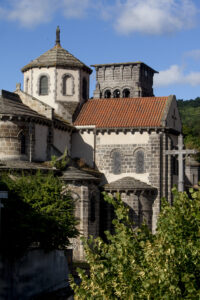
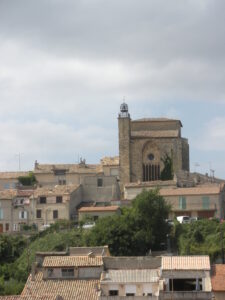
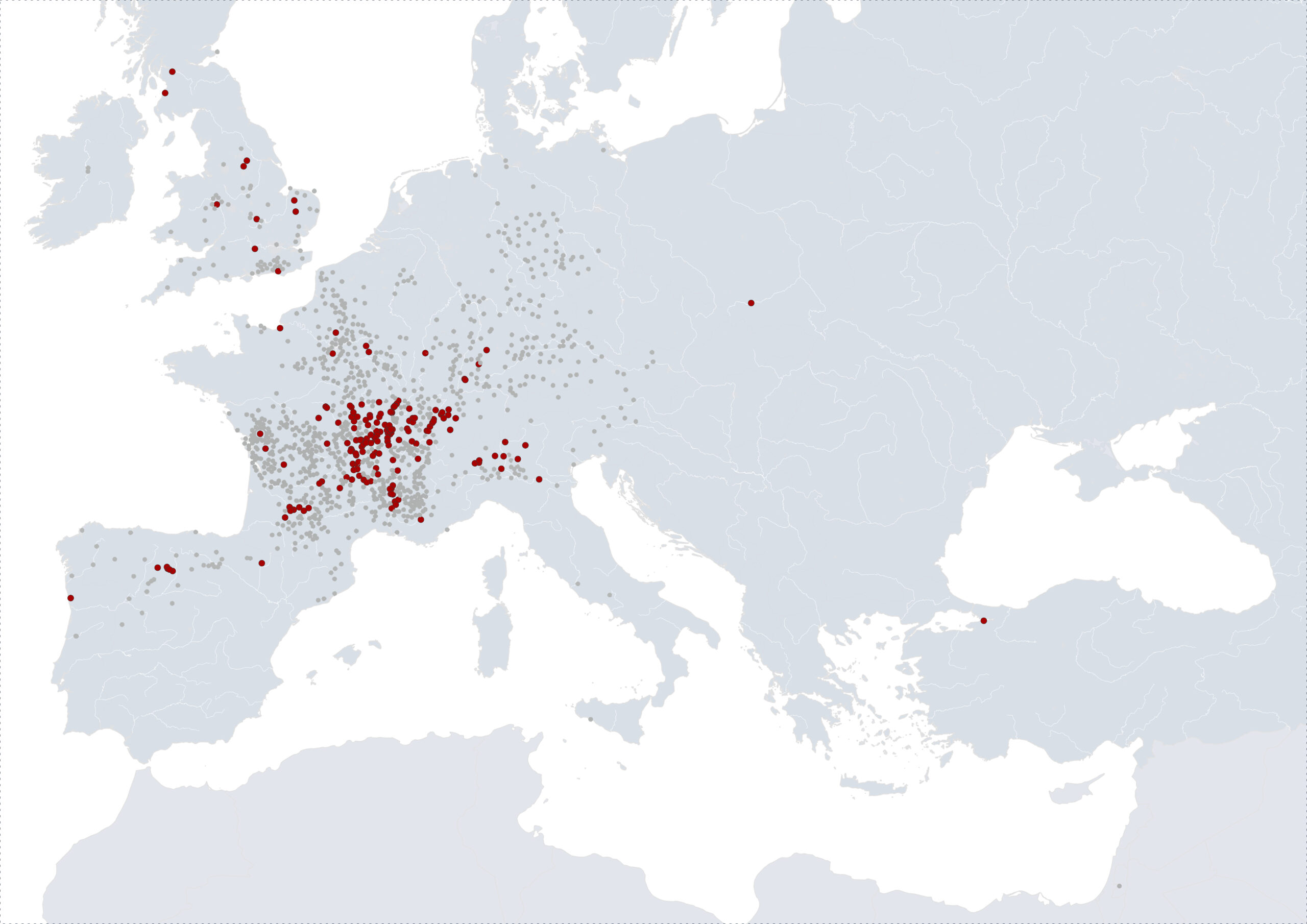
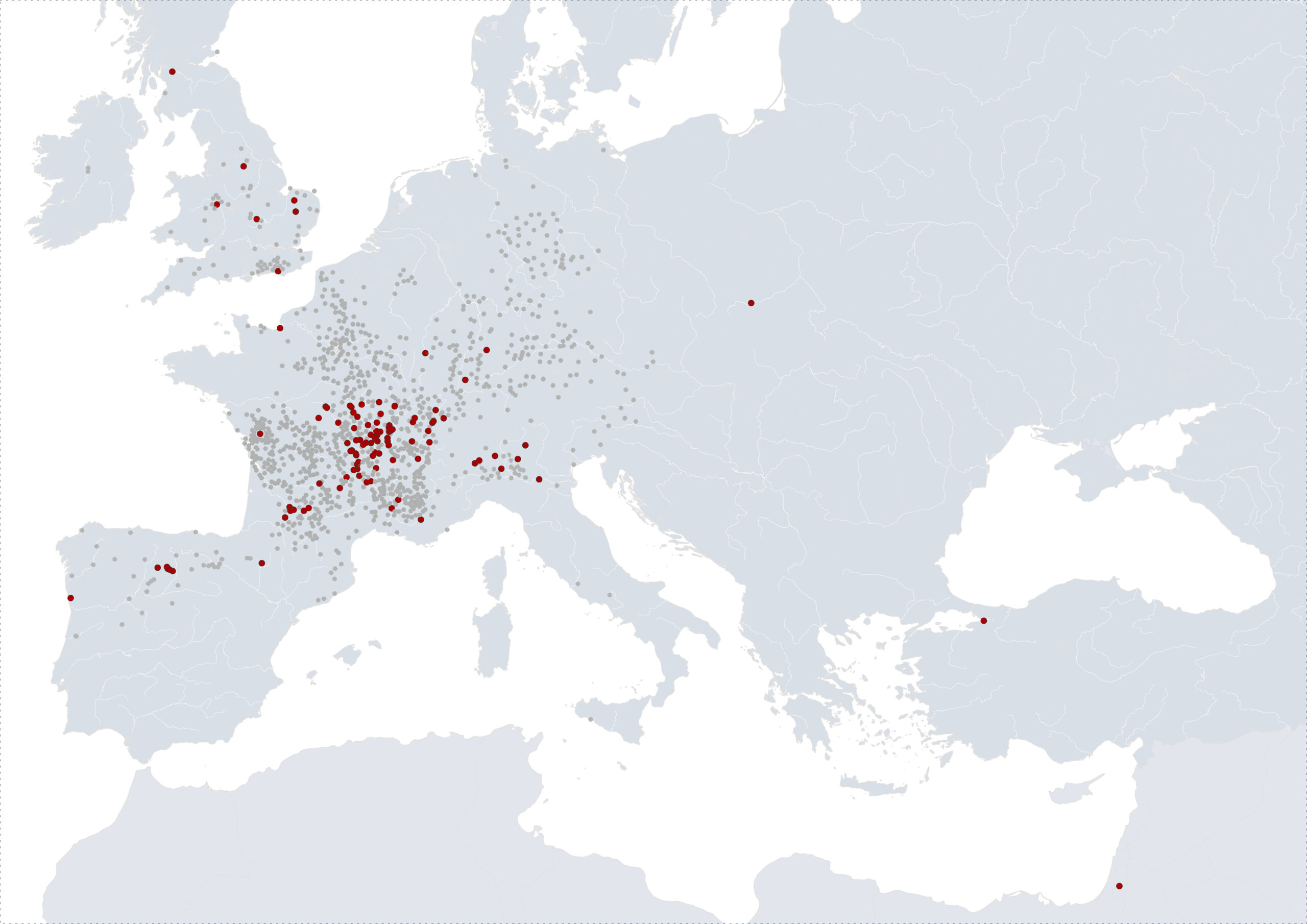
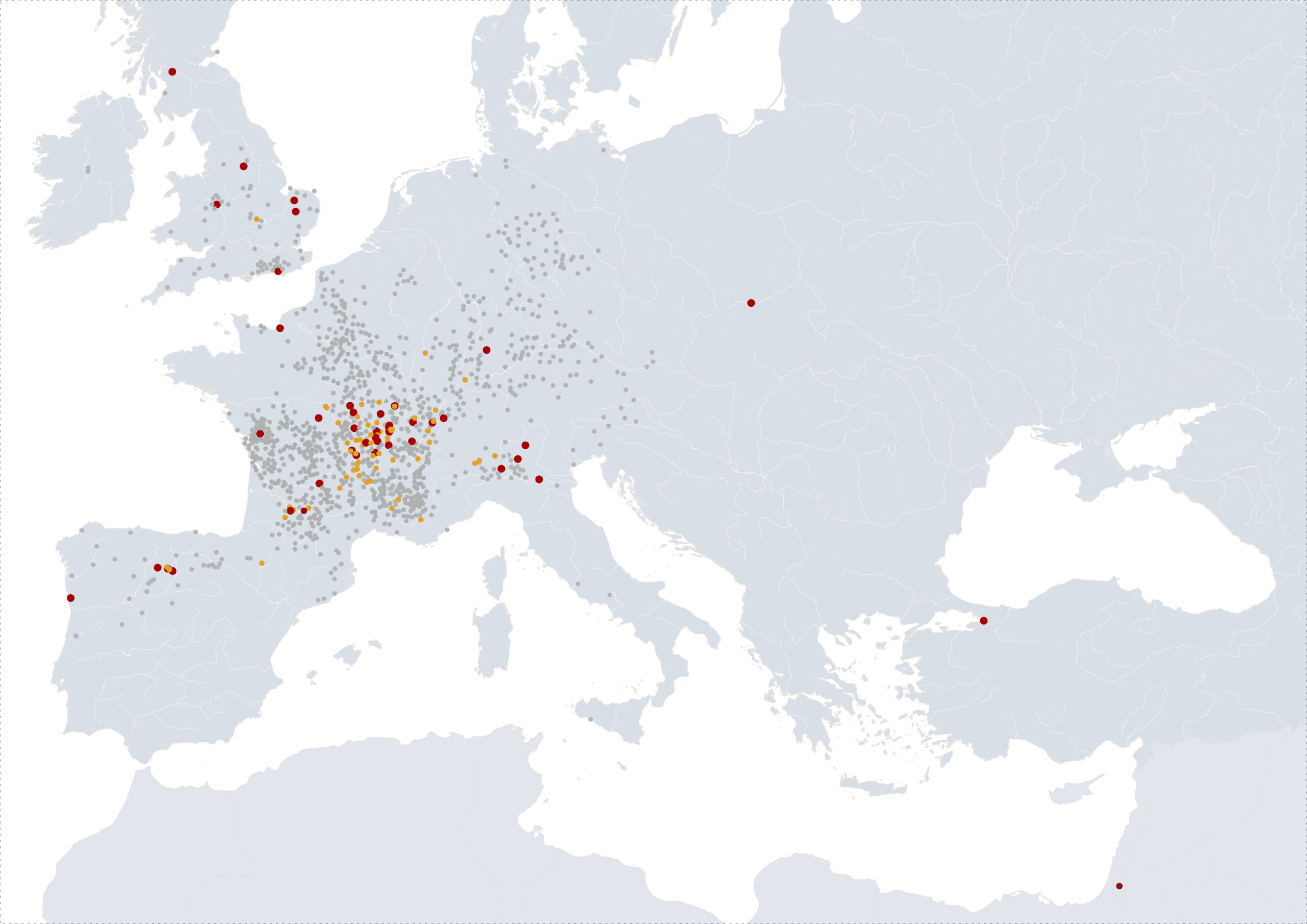
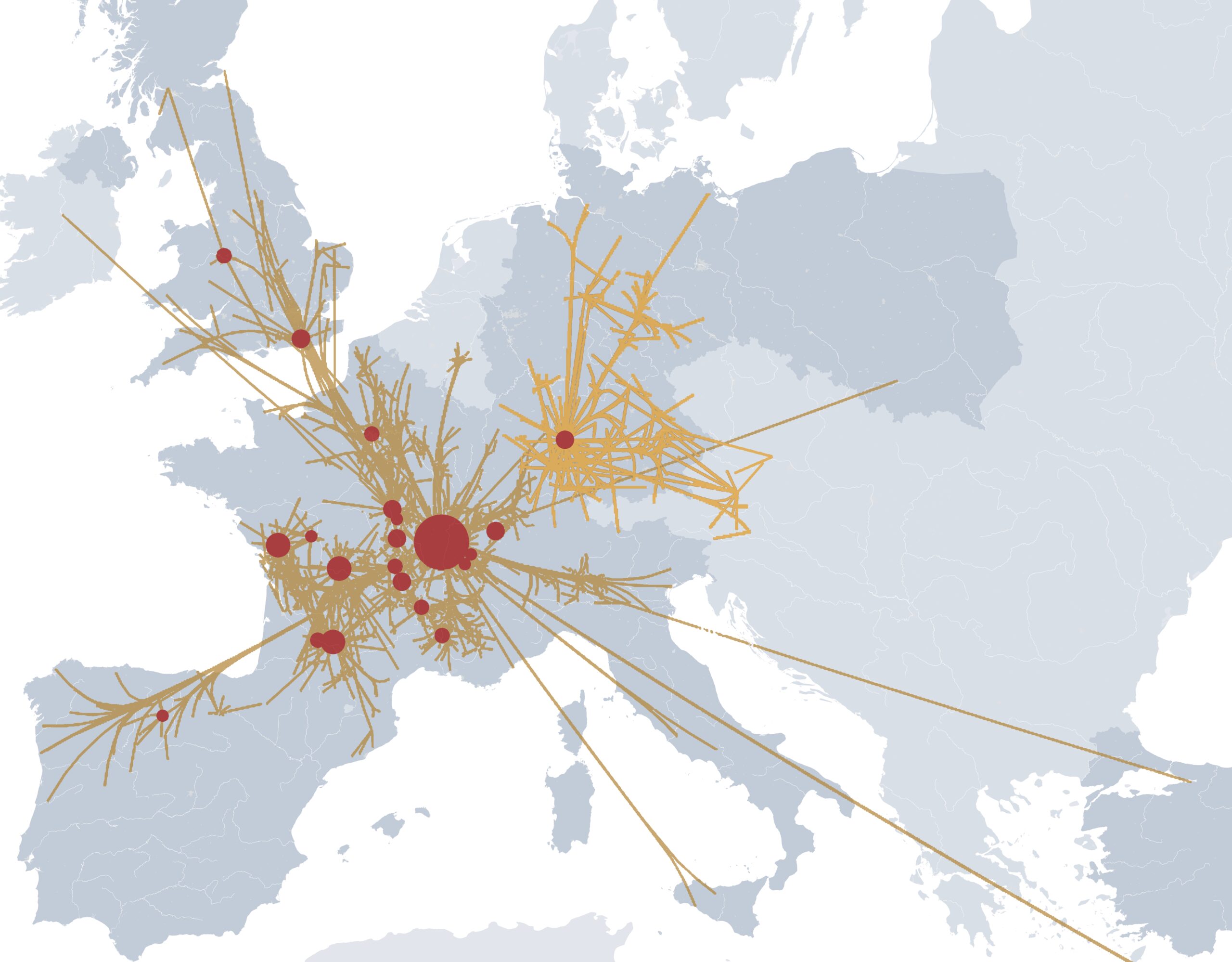
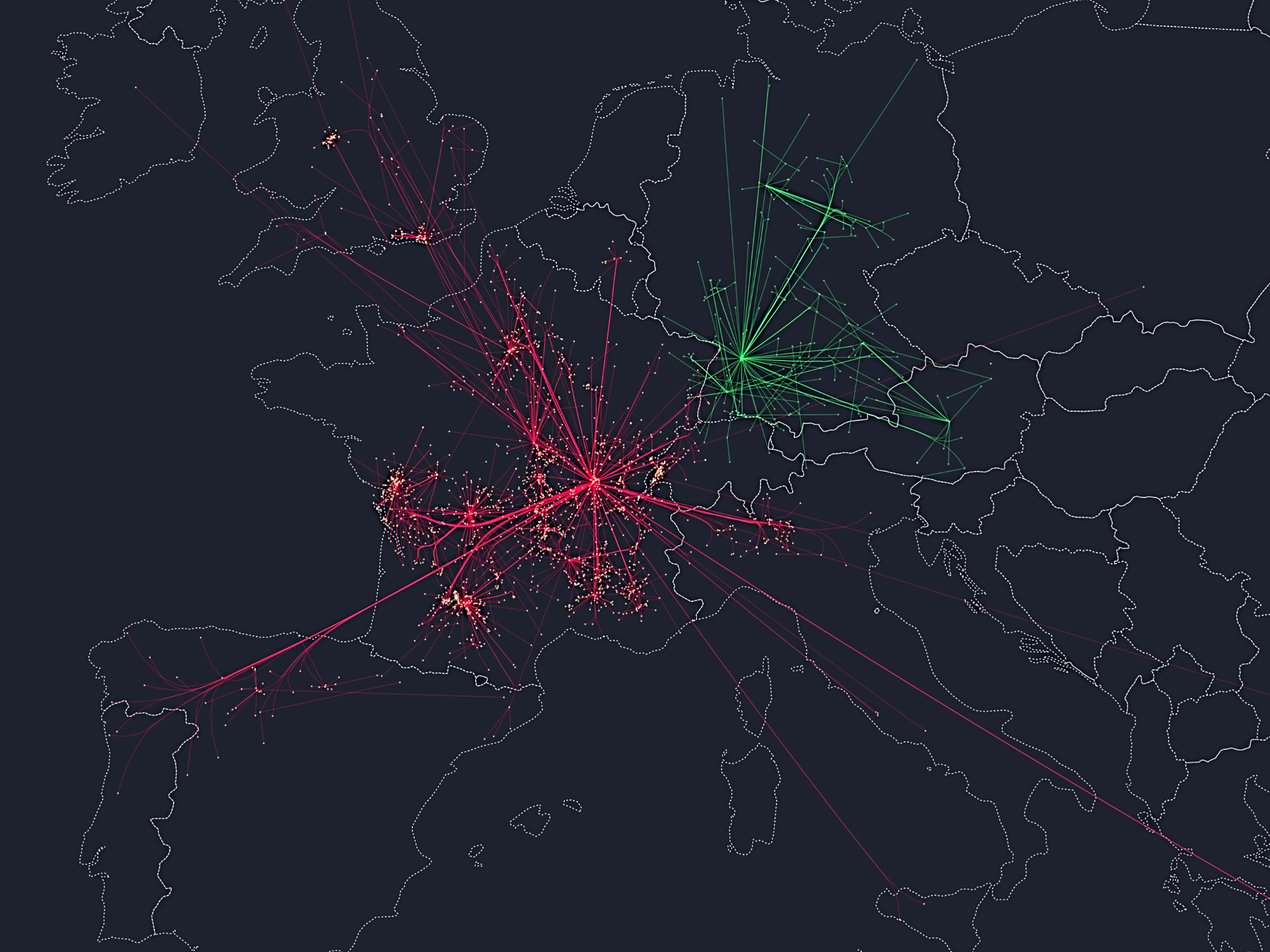
Since 2020, the FESC has been working on the preparation of the nomination dossier of the European Cluniac Network for its inscription on the World Heritage List as a serial and transnational property. The starting point is an extensive group of almost 200 Cluniac sites which are members of the Federation (FESC).
It reveals an intense typological diversity of sites (from small buildings to entire villas), of their managing entities (public administrations, private institutions, private persons…), as well as different levels of intensity and quality in their historical connection to the Cluniac network. Although it has been suggested that there were around 2,000 places throughout Europe which, in the Middle Ages, came to depend directly or indirectly on the Great Abbey of Cluny, that number is represented today by a tenth of the locations. This number includes the members of the FESC, the body promoting the nomination.
Approximately half of these sites, a few more than a hundred, have consciously and responsibly intended to participate in the nomination process of the Cluniac Network as a UNESCO World Heritage site. A process of analyzing and verifying the integrity of the serial property, based on all the documented sites, will be included in the final dossier of the nomination.
Furthermore, there is no doubt that the goal of identifying, classifying, and evaluating Cluniac sites is highly relevant. This, along with the necessary requalification process resulting from the participation and evaluation of the UNESCO nomination, should improve the Cluniac network. It applies both to individual sites and to their recognition as key elements in a European cultural project centered on Cluny. All of this holds true regardless of the final result of the World Heritage inscription process.
Project Development
Since 2020, when the FESC commissioned a preliminary feasibility study for the Nomination project, several actions have been undertaken and various documents with different scopes and objectives have been prepared.
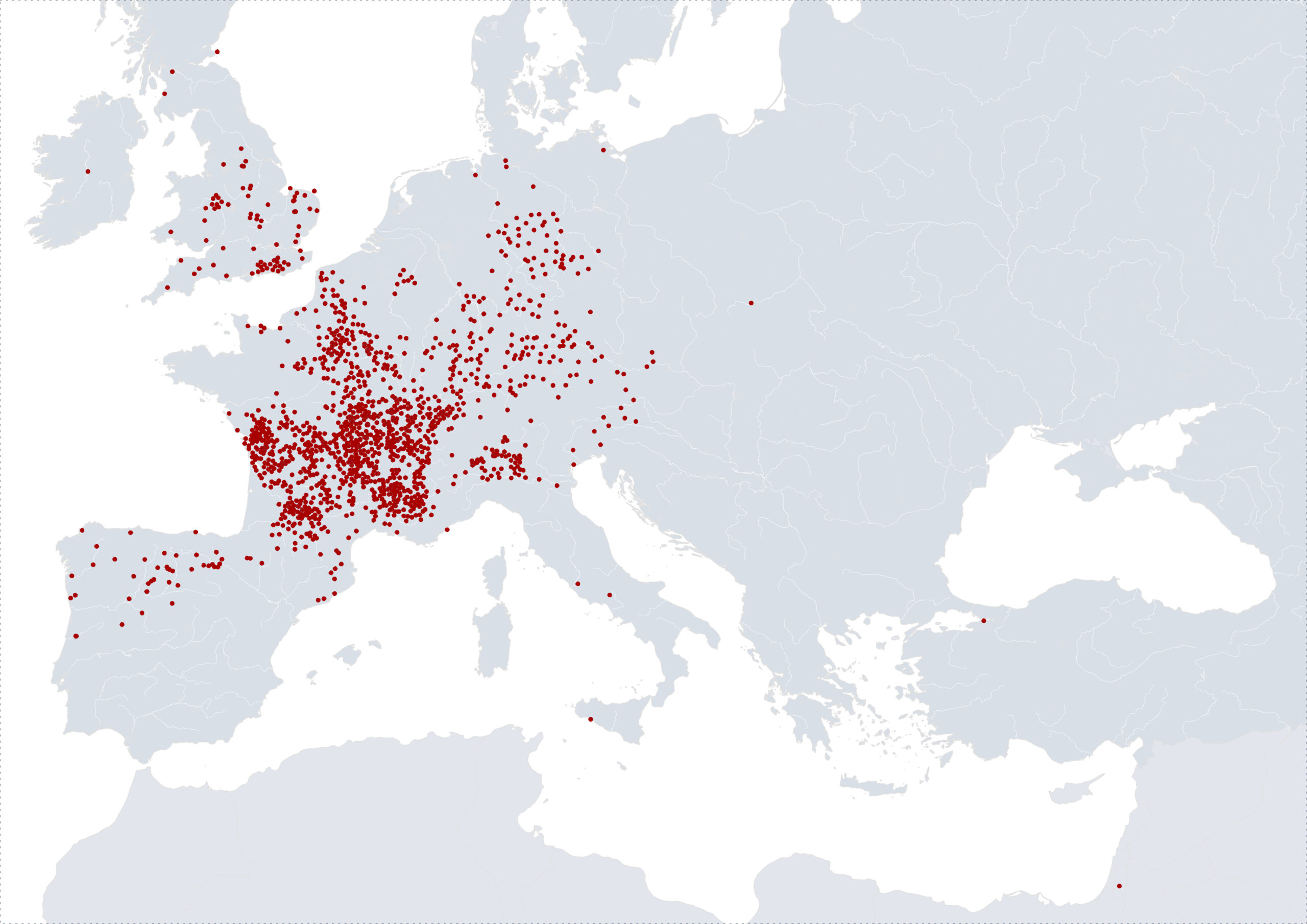
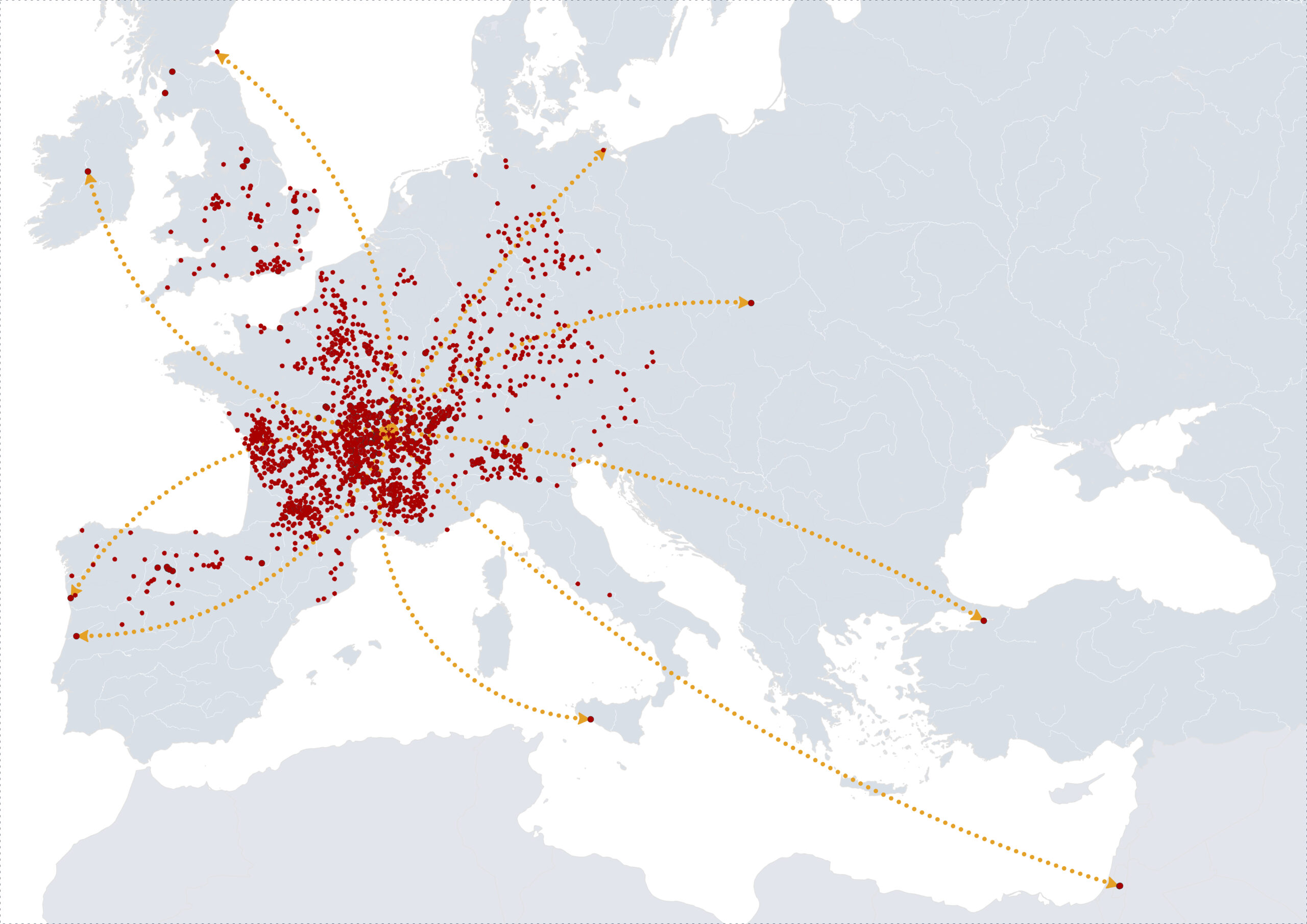

The European Federation of Cluniac Sites was founded on 18 June 1994 in Souvigny (Allier, France) by 24 municipalities concerned with promoting their common Cluniac heritage, thus creating the Network of Cluniac Sites in Europe.
Its aim was, and still is, to raise awareness among citizens of Europe and the rest of the world about the history of Cluny and its cultural heritage, spread across hundreds of sites around the world.
Twenty-five years after the Federation was created, almost 200 sites in seven European countries are now members, working together to carry out local, regional and international projects that highlight and promote the Cluniac heritage.
The heritage of the Cluniac network, bequeathed by the monks of Cluny since the Middle Ages, is vast, complex and little known. Thanks to the Federation’s work in identifying, studying, cataloguing and connecting the sites, as well as promoting and enhancing them, this common heritage is being given a cultural direction.
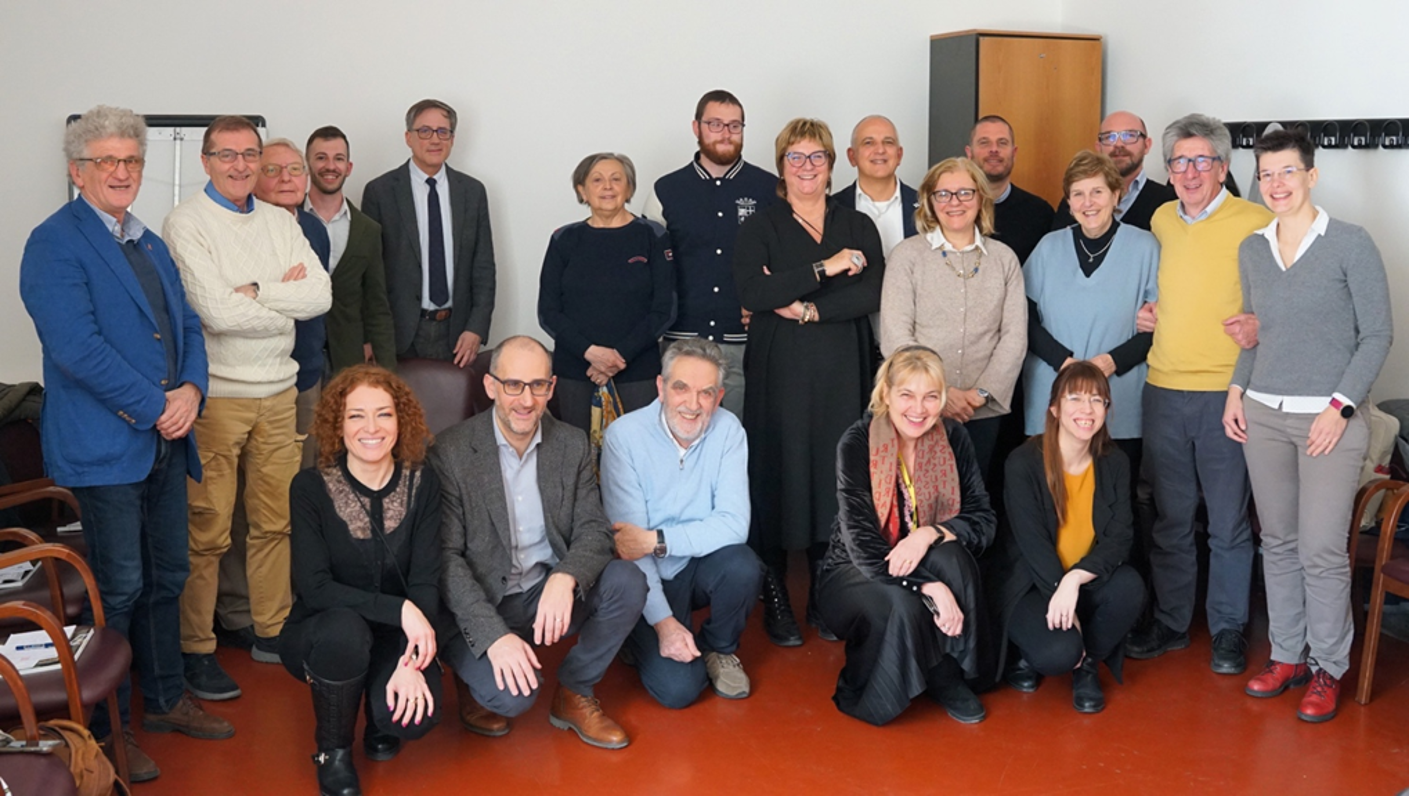
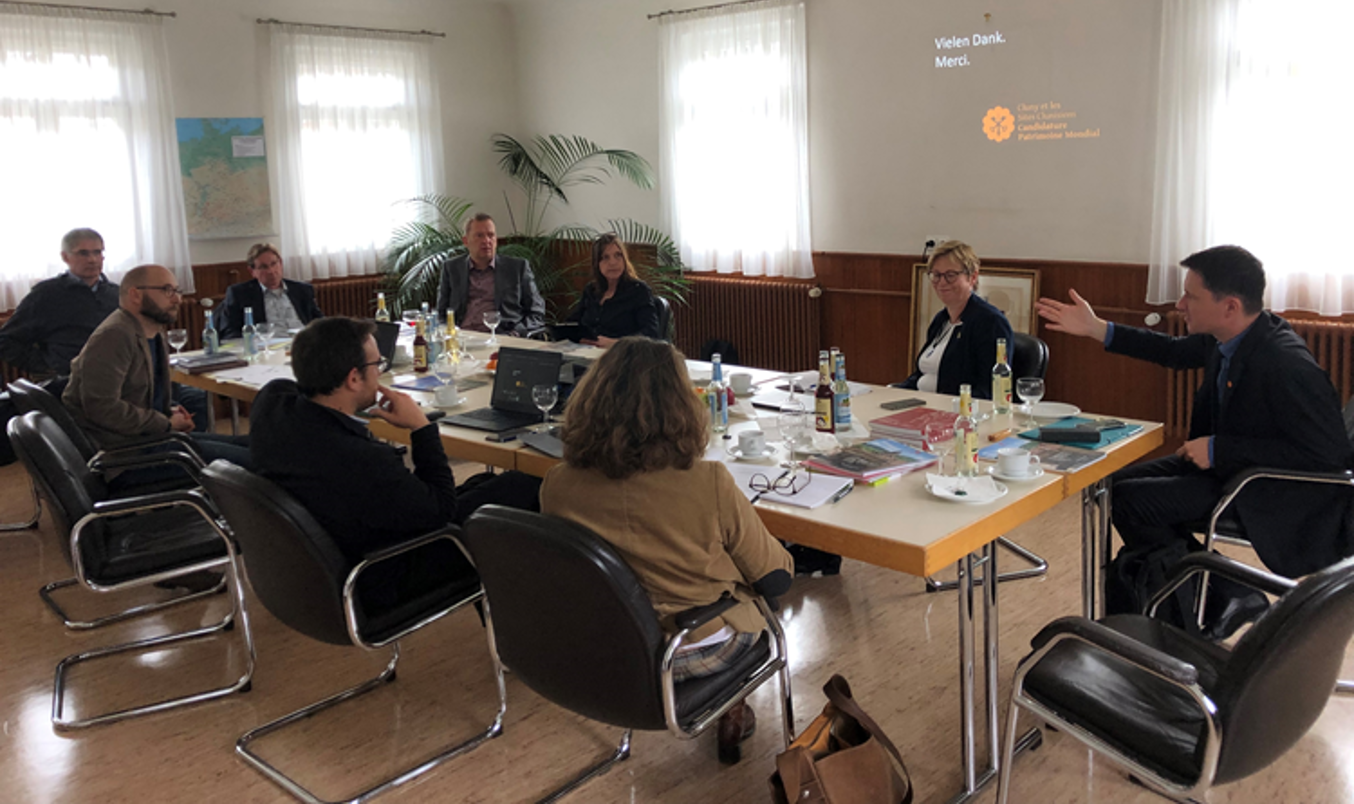
Throughout the nomination process, the creation of local and regional working groups (Local Committees -LC- and Regional Committees -RC-) has been proposed to facilitate the achievement of the objectives set for the nomination, while also offering a governance project
for the coordinated management of the unique asset that is the Cluniac network.
Local Committee:
An extensive group of 111 European sites with a Cluniac historical identity has worked to establish the group of components of the serial cultural property of this Candidacy.
Each of these elements can be of a very varied type (historic ruins; monumental remains, urban plots, sites of memory, etc.), simple or complex… But they all have in common the fact that they constitute a Cluniac ‘site’, that is, a delimited place – more or less extensive – that can be appreciated for its heritage value related to the historical reality of Cluniacism in Europe.
In addition to the owner or manager of each site, all the agents involved with the site, especially those representing local communities and related associations, come together in a single Local Committee. This Local Committee will ensure the future management and responsiveness of the serial and transnational property that is to be declared. This is why a Local Committee has been set up at each Cluniac site.
The local committees of the Cluniac sites are set up within the framework of the work of drafting the Candidacy promoted by the FESC for the inclusion of the Network on the World Heritage List. It is understood that this body does not detract from the capacities and rights of the owners or proprietors of the sites, but rather has the general objective of facilitating the comprehensive, coordinated and participatory management of the candidate site.
Territorial committee:
These are stable working groups that participate in the Project at the territorial level, covering several individual sites (although in some cases, a TC may have only one individual site, for example, because it is the only one in a country).
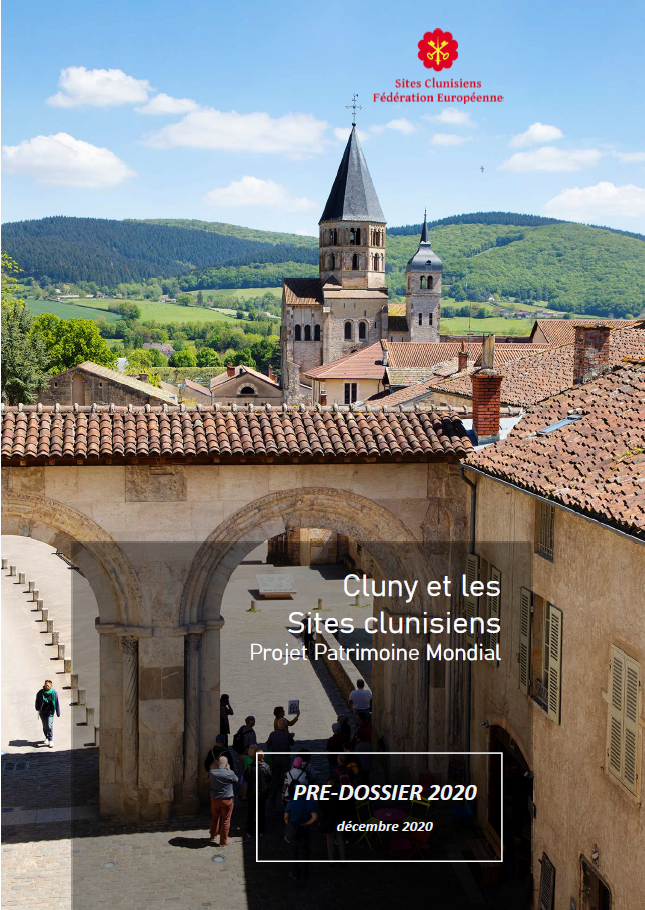
Pre-dossier 2020: preliminary study, analysis and feasibility. It pre-analyzed the heritage value of the group of sites in relation to their potential for inscription on the World Heritage List and advised on strategies and actions.
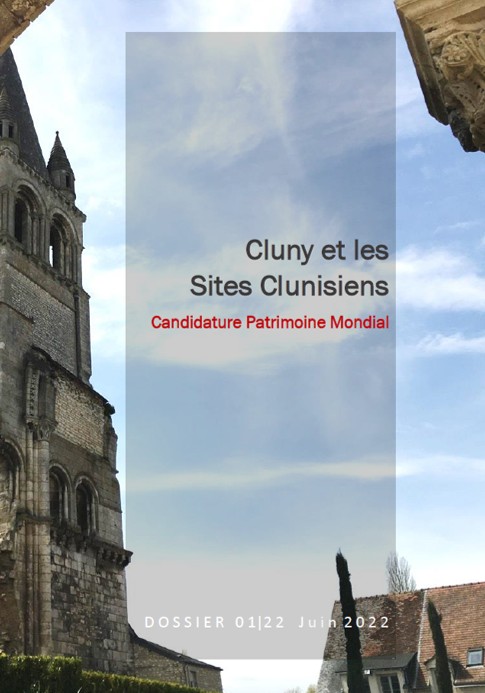
Dossier 2022: An analysis of a first set of participating Cluniac sites was presented, along with an initial proposal of the Outstanding Universal Value (OUV) and its attributes. As a conclusion, and by relating both concepts through a matrix approach, a preliminary analysis of the outcome was offered, outlining the site’s potential to justify the OUV and its conditions.
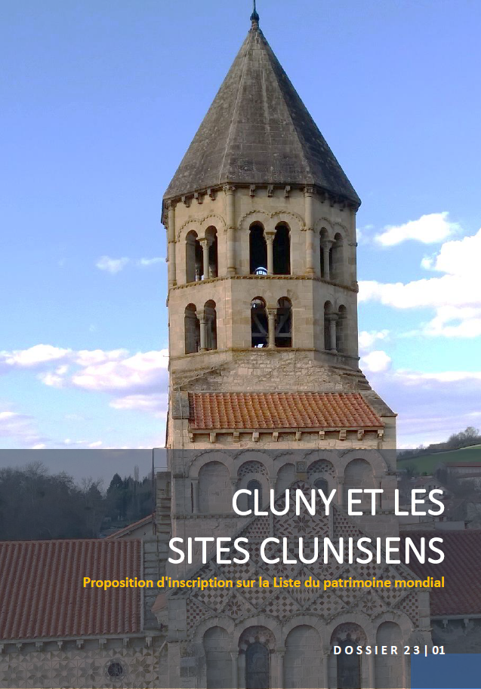
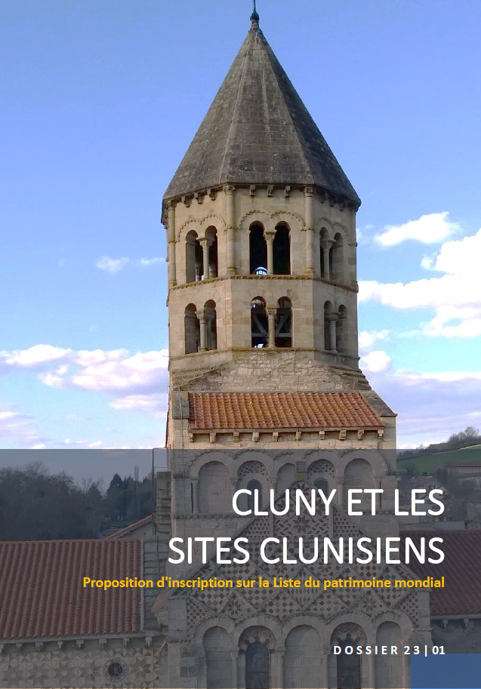
Dossier 23-01: this document already includes a detailed description of the contents, in accordance with section 3: “Justification for inscription” of the Operational Guidelines. It includes a first proposal of possible components of the property and their description.
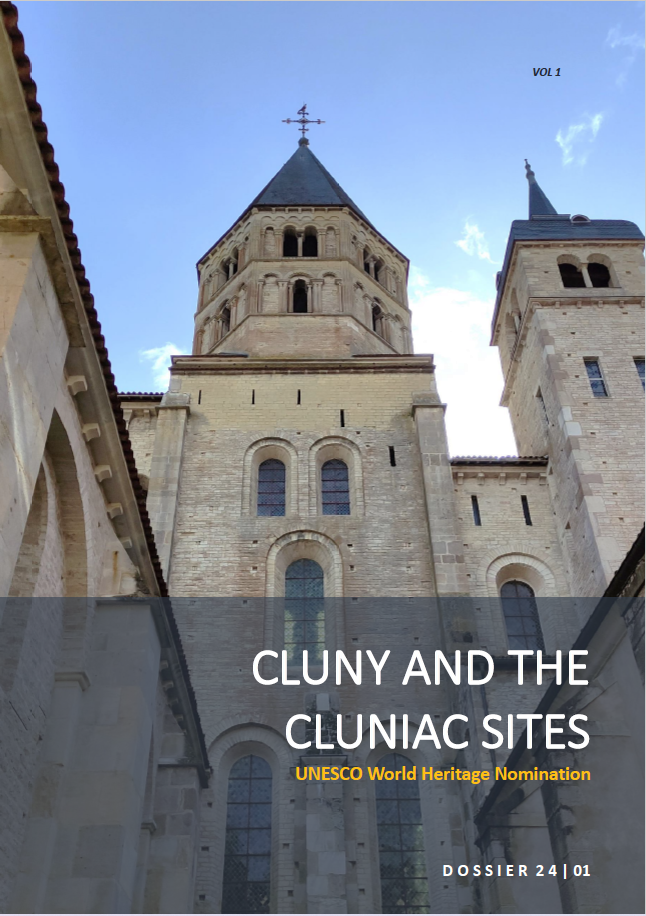
Dossier 24-01: This is the penultimate document prepared by the nomination drafting team. Its format and content comply with the requirements set forth in Annex V of the Operational Guidelines for nominations. It includes a proposed selection of component sites of the Property.
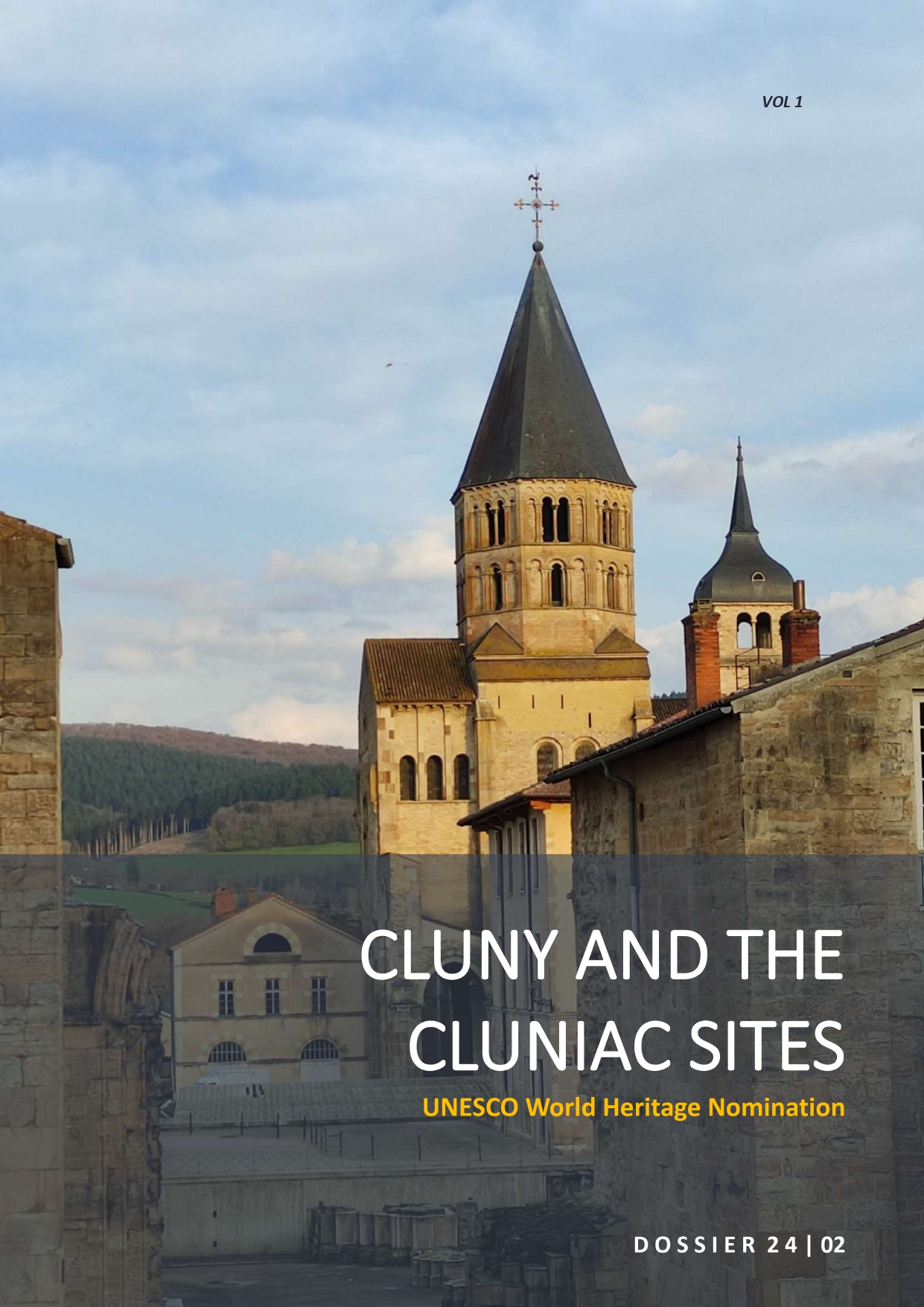
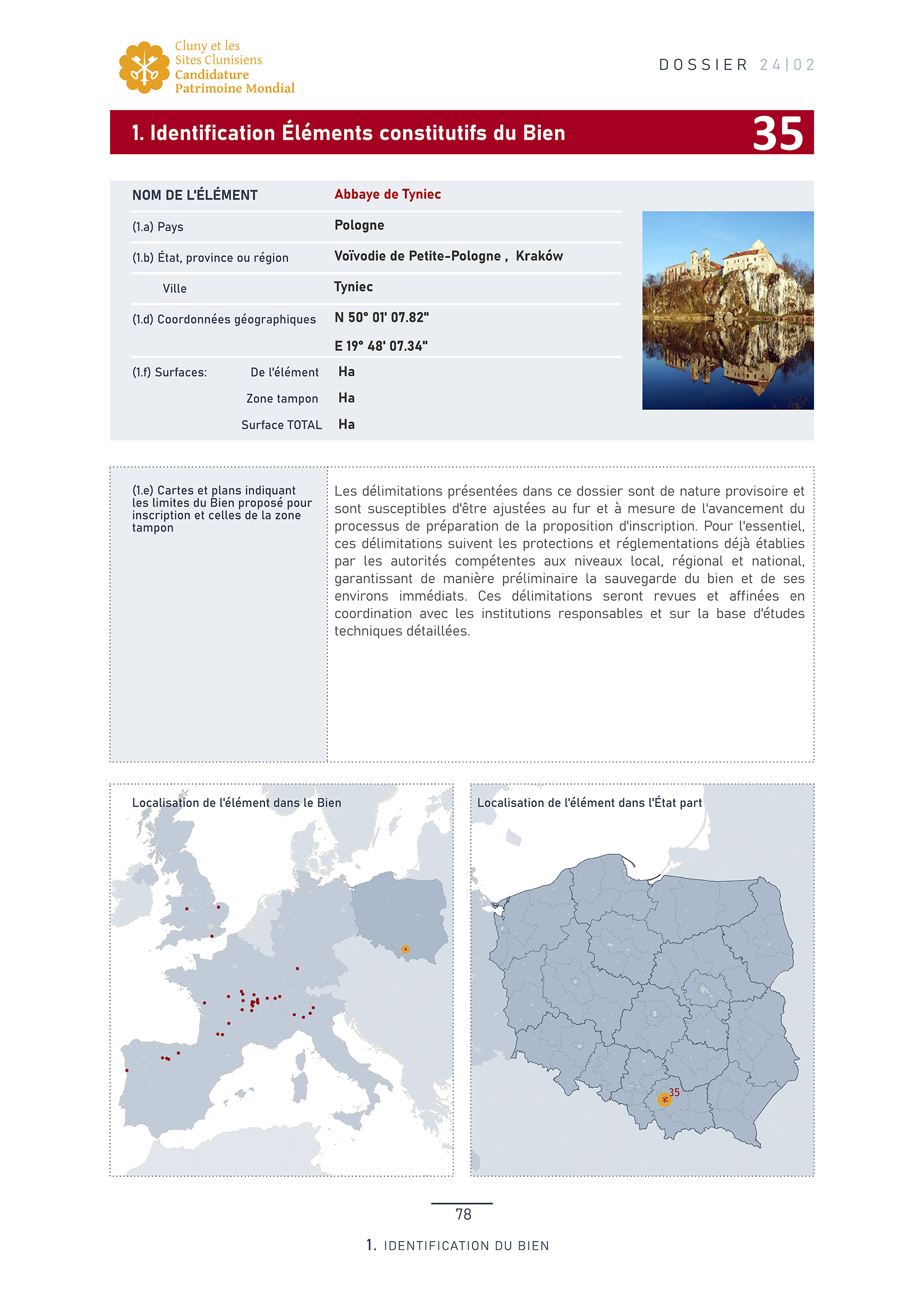
Dossier 24-02: This is the latest document prepared by the nomination’s editorial team. It forms part of the first conclusive proposal for the nomination. It consists of six volumes, with the following table of contents:
VOLUME 1
VOLUME 2
ANNEX 1: Cartography and maps
ANNEX 2: Management plans for components of the serial property
ANNEX 3: inventory of Cluniac places, participating Cluniac places
ANNEX 4: Socialisation
DATE _ 2020 – december 2026
LOCATION _ Europe and Asia
ASSIGNMENT _ European Federation of Cluniac Sites
WORKS _ Pre-Dossier 2020 / Dossier 22.1 / Dossier 23.1 / Dossier 24.1 / Dossier 24.2
TECHNICAL ANALYSIS SHEETS _ Dossier 24/02
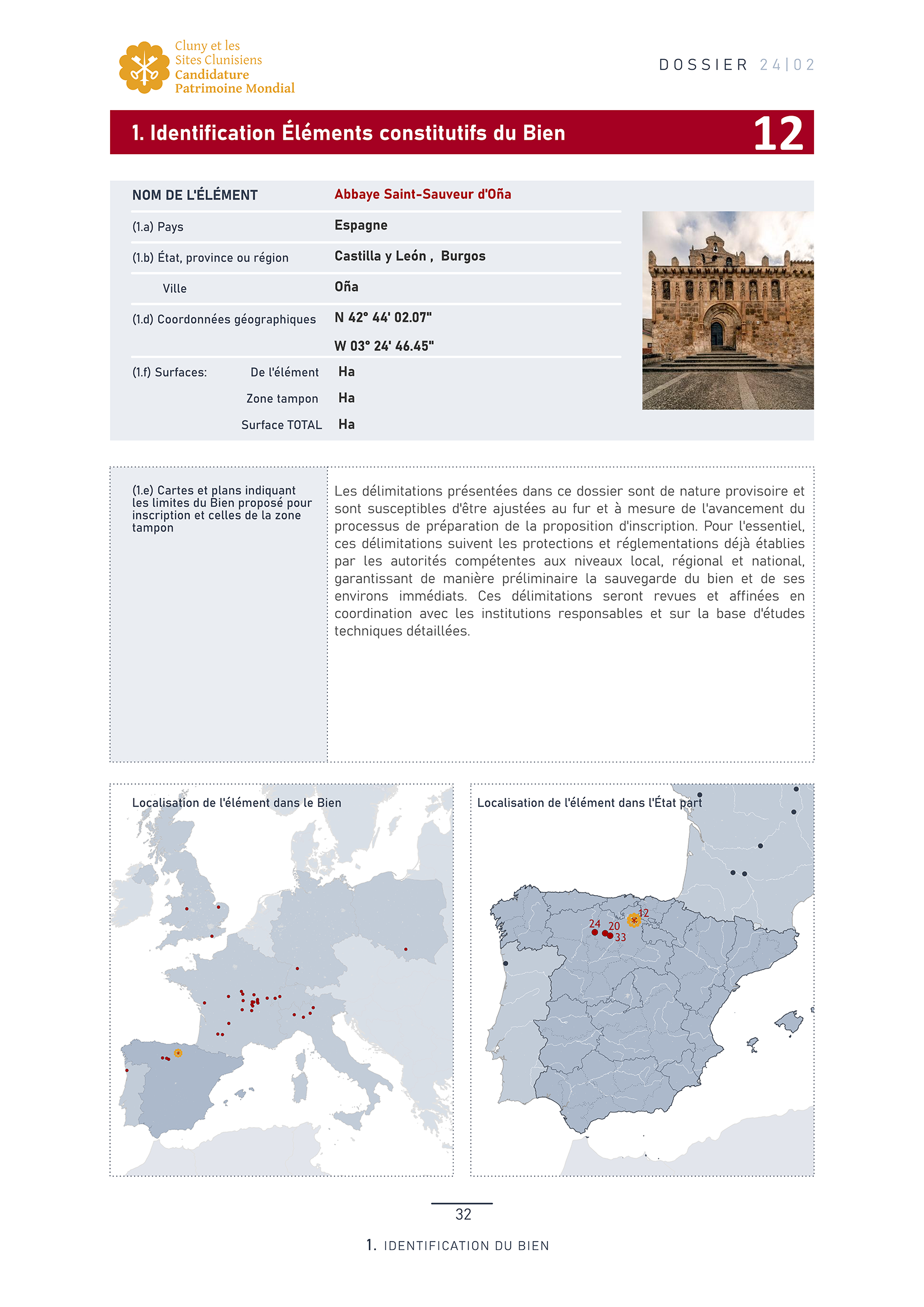
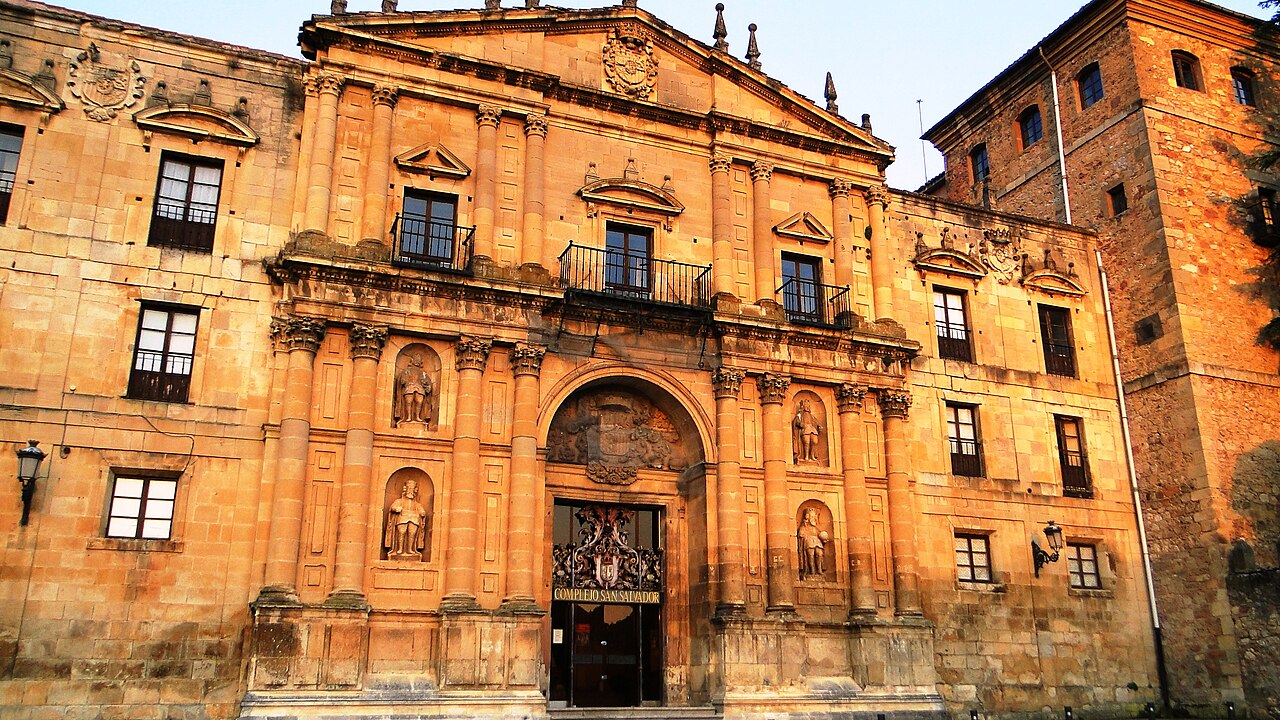
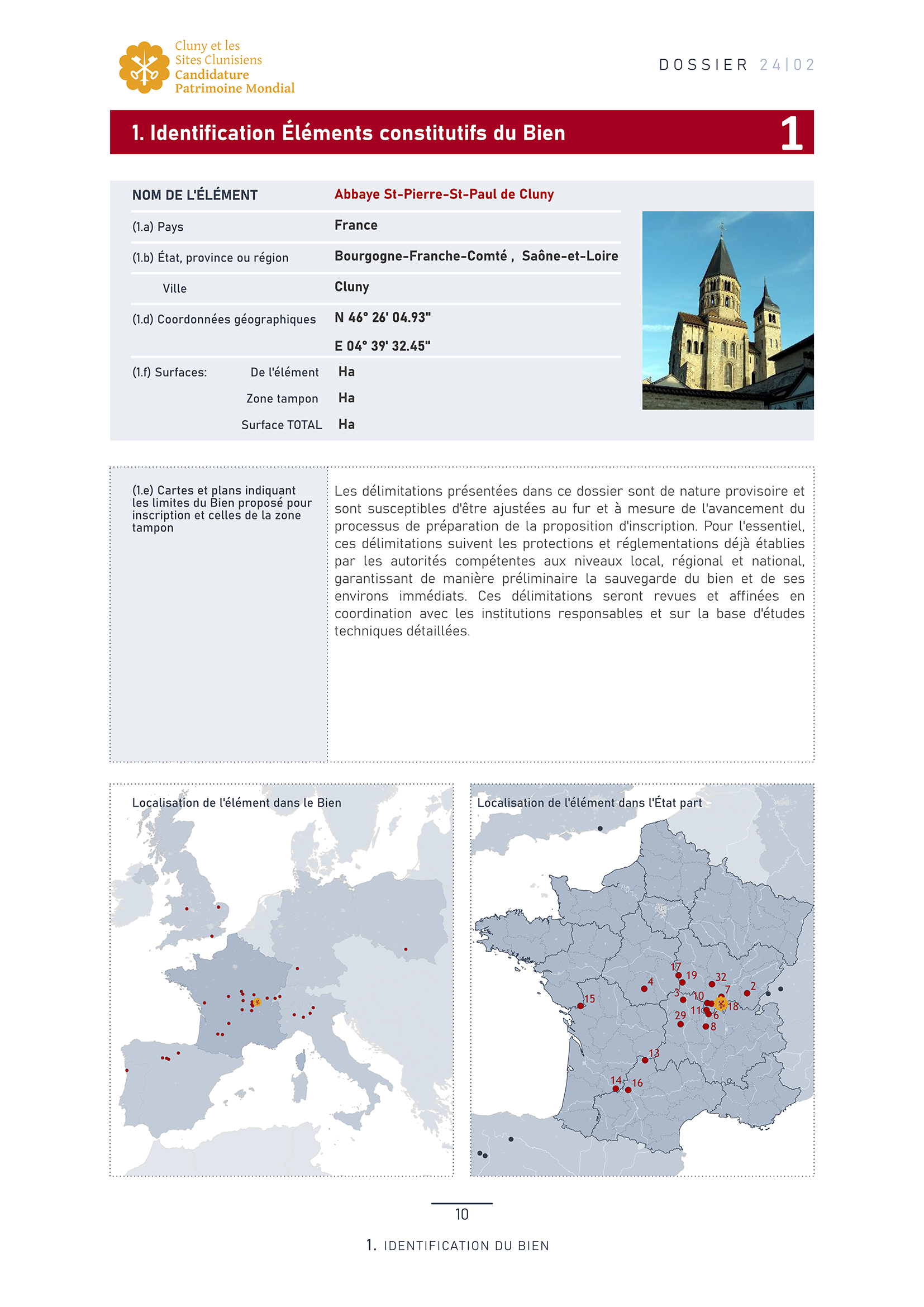
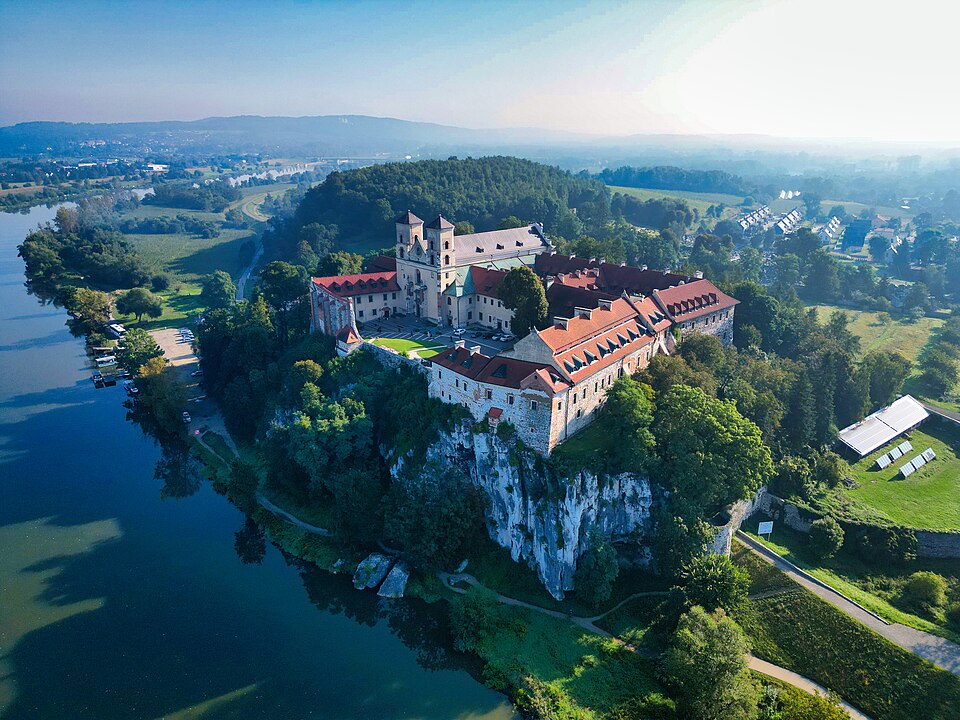
GUIDELINES FOR TERRITORIAL COMMITTEES AND LOCAL COMMITTEES:
Methodological guidelines for the work of these committees, to facilitate the achievement of the agreed objectives and, at the same time, provide a governance project in the coordinated management of the single property to be nominated.
ASSOCIATED SITES GUIDELINES:
Proposes a new conceptual model of site, more standardized and requalified: the ASSOCIATED SITE to the Cluniac network, with a proposal set of guidelines for work and verification.
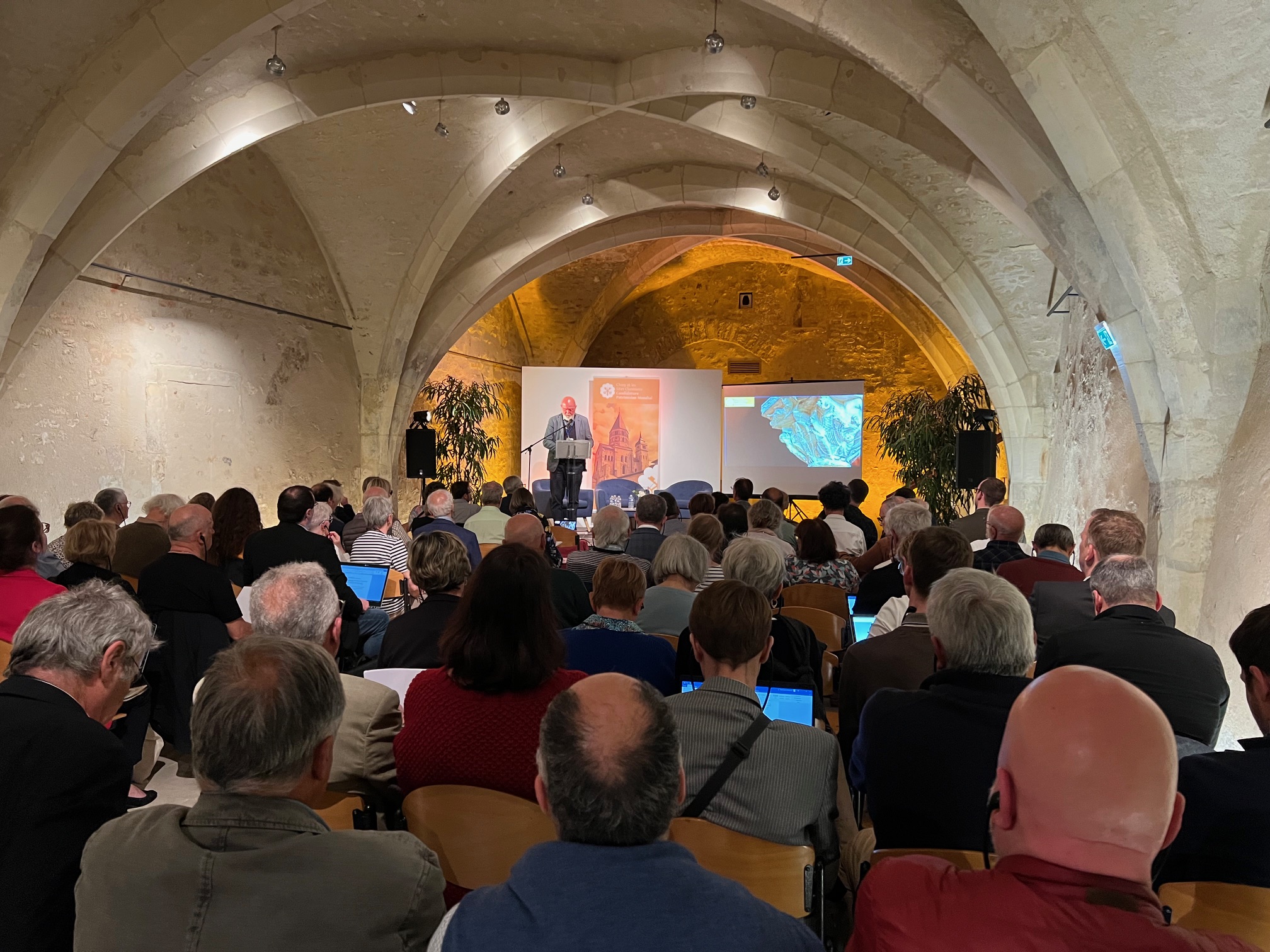
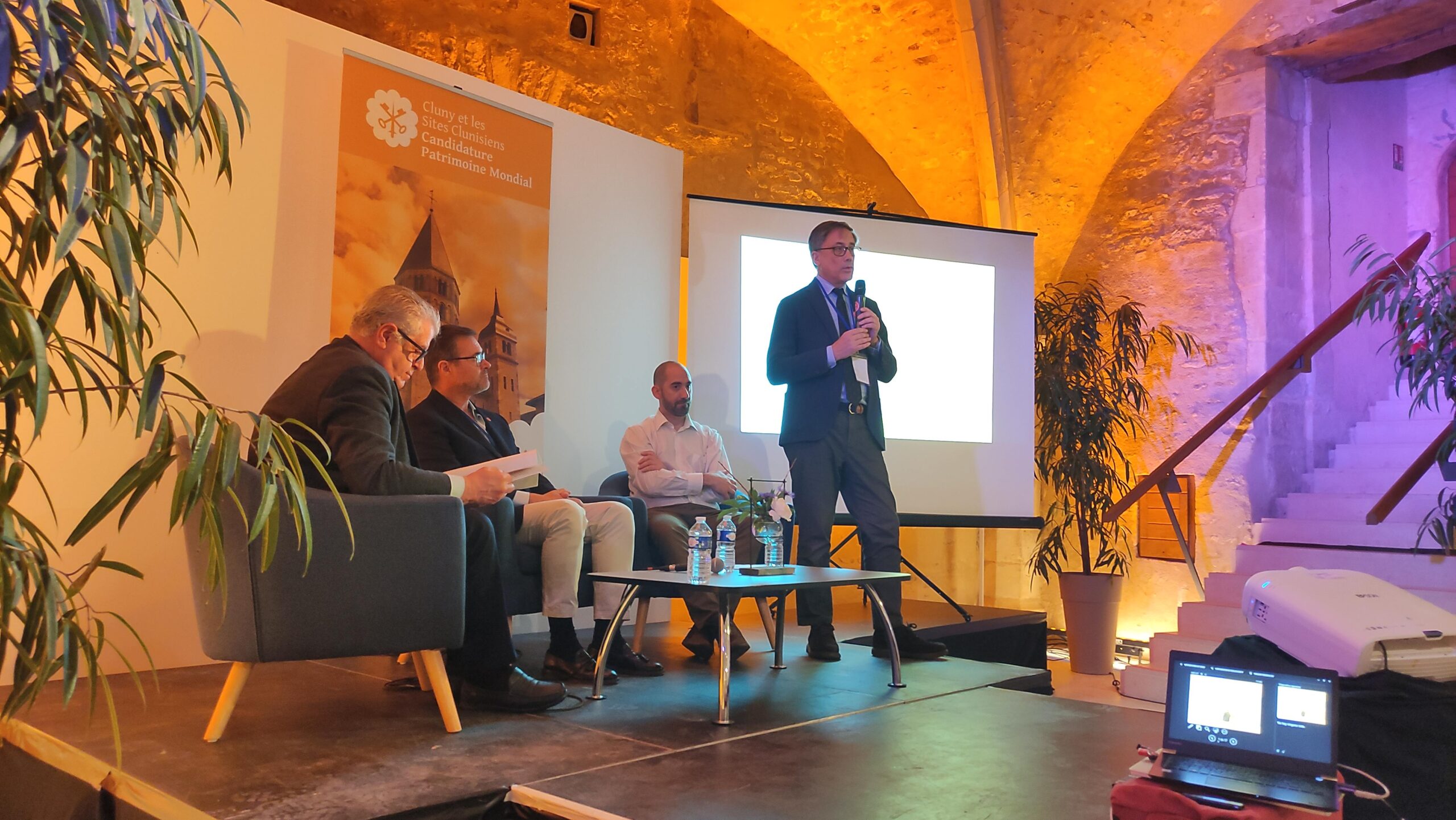
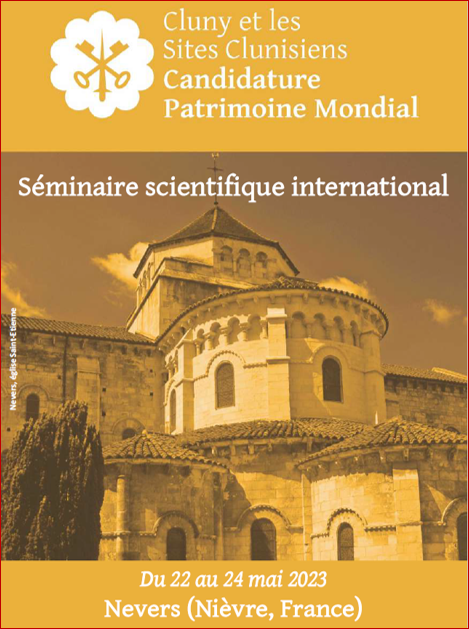
It was held in Nevers, France. In it, the various international experts
collaborating on the project formally presented the conclusions of
the study on the nomination, and made suggestions for its correction
and improvement.
Meetings and workshops were held by territorial representatives to
communicate and plan the various socialization activities and engagement with local communities.
DATE _ 22–24 May 2023
LOCATION _ Nevers, France
ASSIGNMENT _ European Federation of Cluniac Sites and HeritArq
WORKS _ International scientific seminar
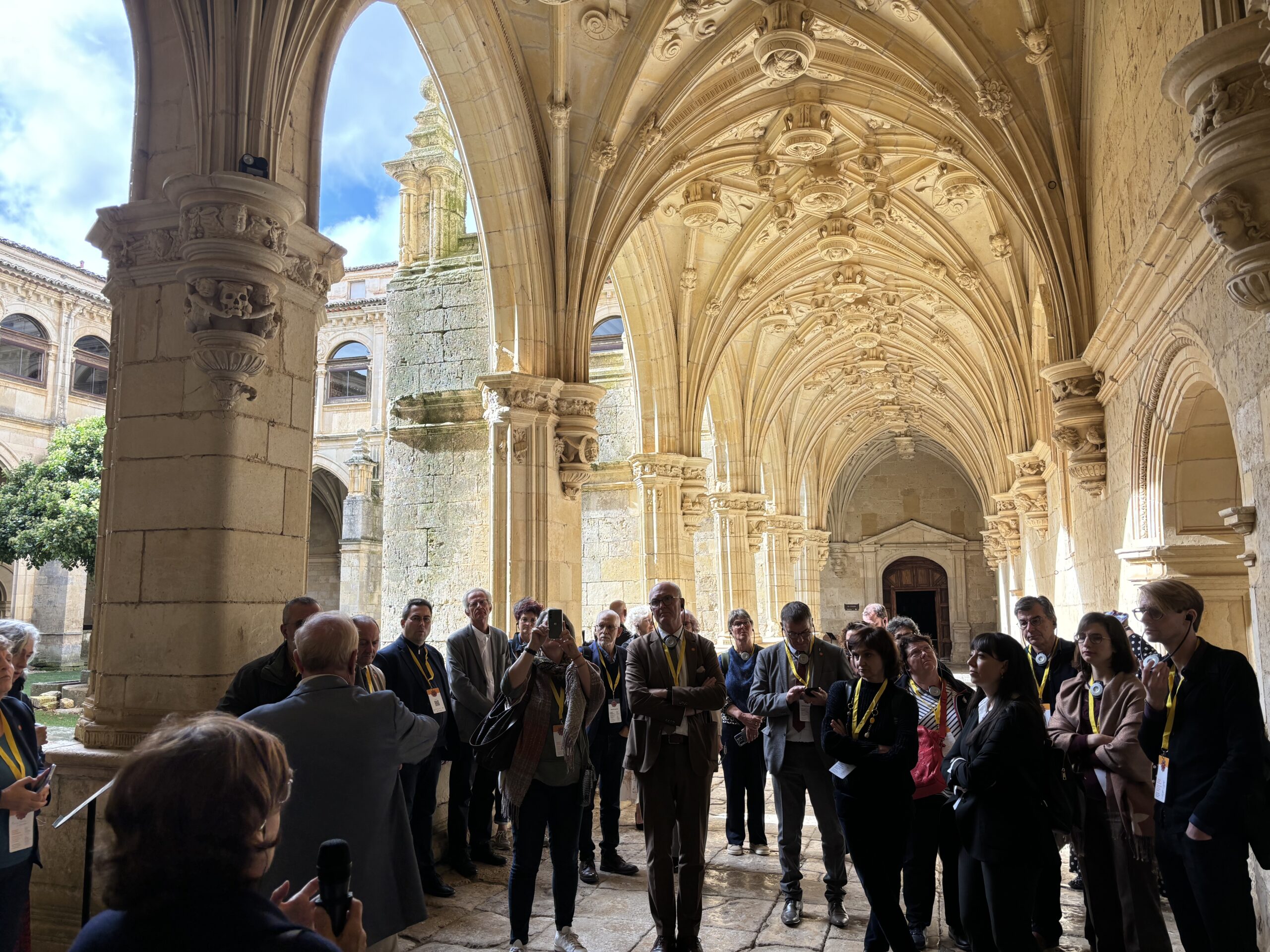
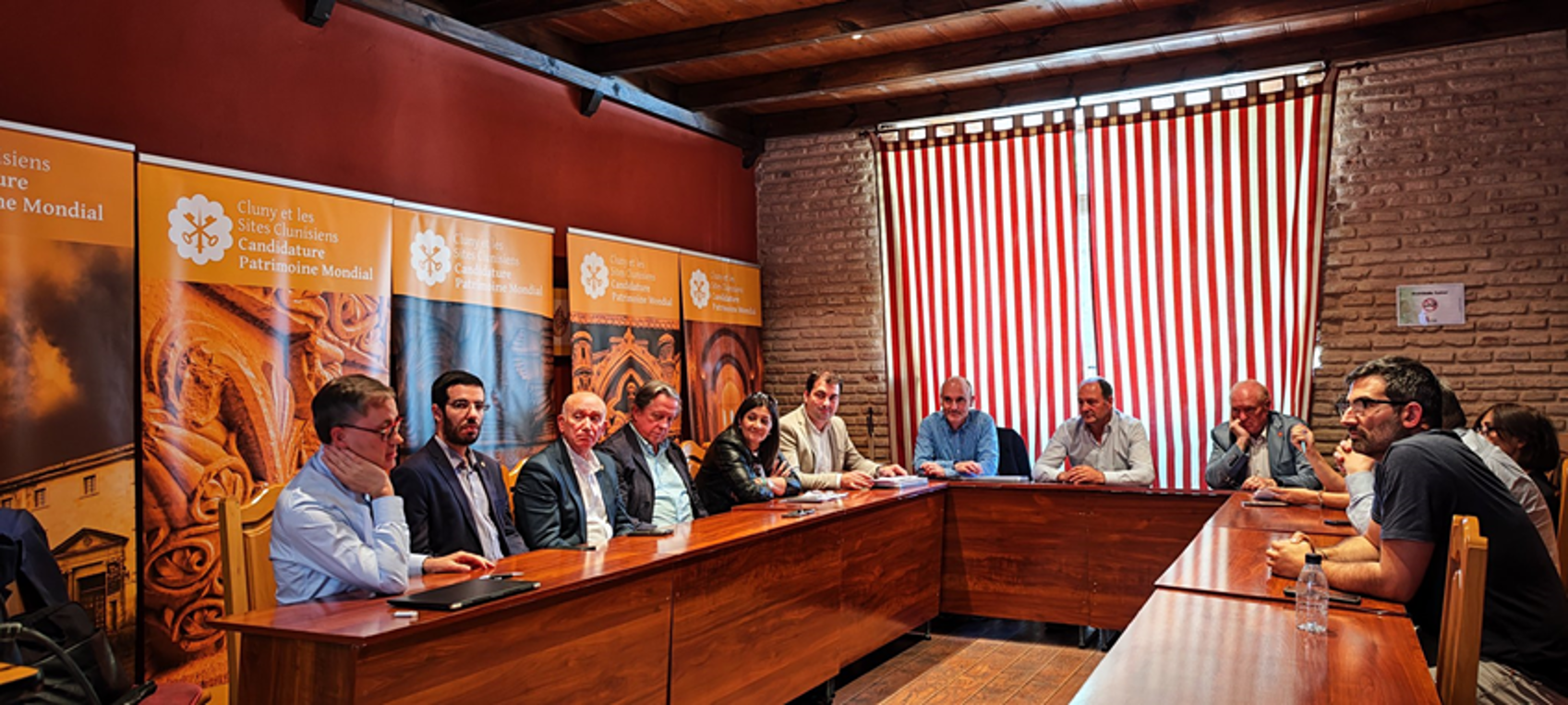
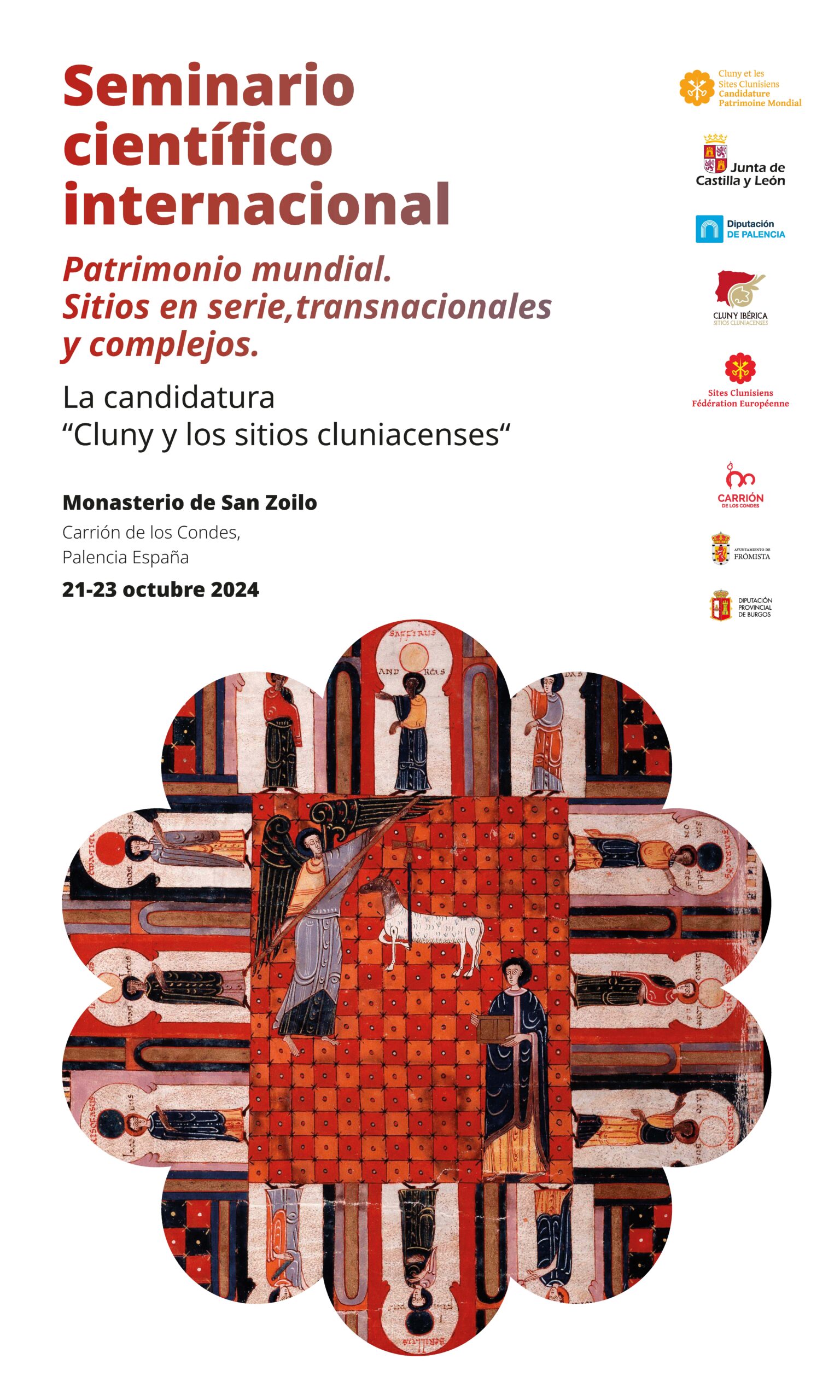
A technical seminar was held in Carrión de los Condes, Spain, in October 2024, bringing together various experts in World Heritage, as well as technicians from the sites participating in the nomination.
DATE _ 21–23 October 2024
LOCATION _ Monastery of San Zoilo, Carrión de los Condes, Palencia, Spain
ASSIGNMENT _ European Federation of Cluniac Sites and HeritArq
WORKS _ International scientific seminar
THIS ECONOMIC ACTIVITY HAS BEEN SUBSIDIZED UNDER ORDER IEM/411/2024, OF MAY 3, OF THE REGIONAL MINISTRY OF INDUSTRY, COMMERCE AND EMPLOYMENT, WHICH ESTABLISHES THE REGULATORY BASES FOR THE SUBSIDIES OF THE CUSTOMIZED TRAINING PROGRAM IN COMPANIES WITH A DUAL CHARACTER (FORCAREM)
